(01)
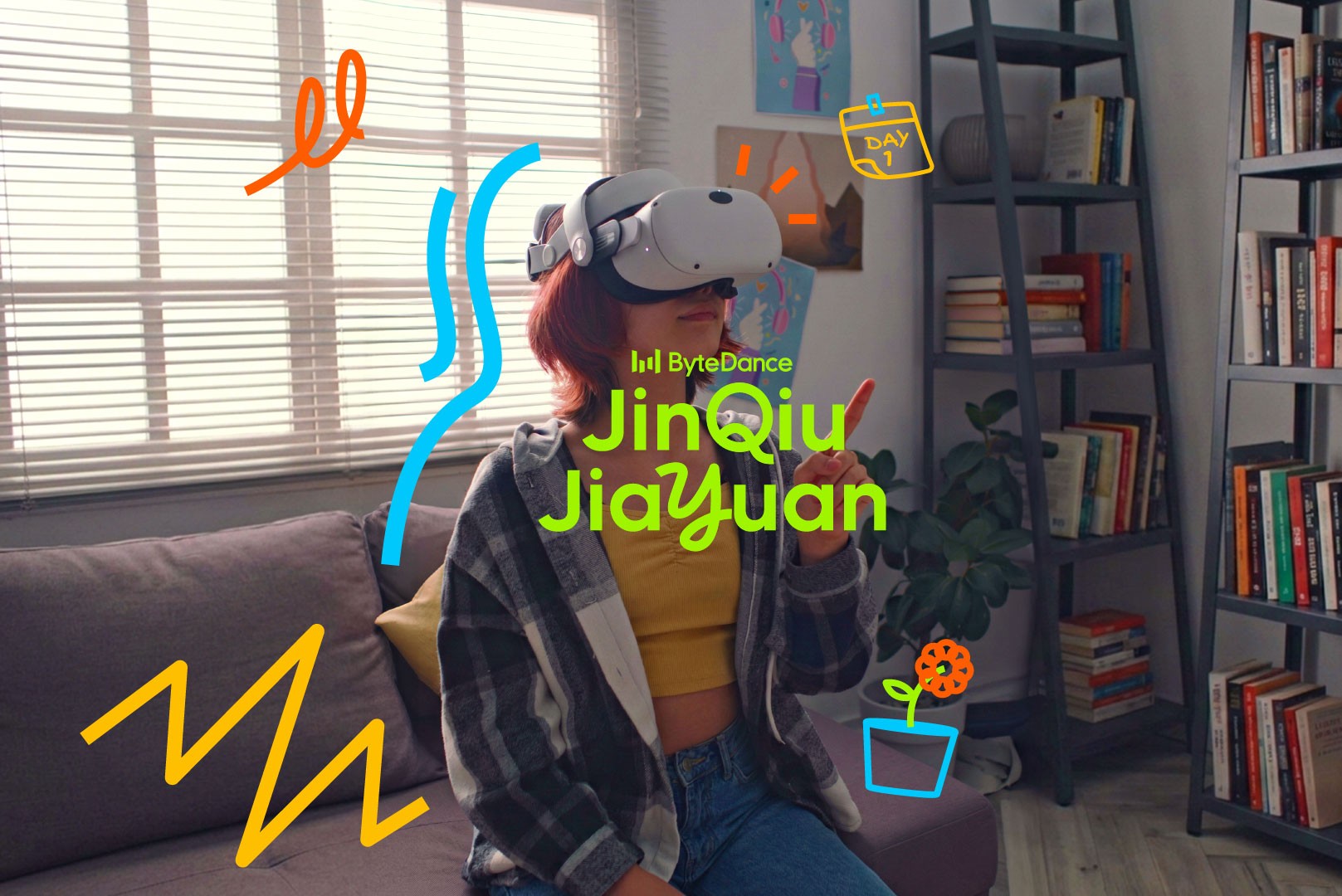
ByteDance is huge now, but it actually started small, specifically, in a regular residential apartment called Jinqiu Jiayuan. I led the creative development of this interactive experience, designed to take employees on a journey back to the company’s roots.
I wanted it to feel like a heartfelt journey where you actually get to live the company’s core values by uncovering core memories hidden around the rooms.
(02)
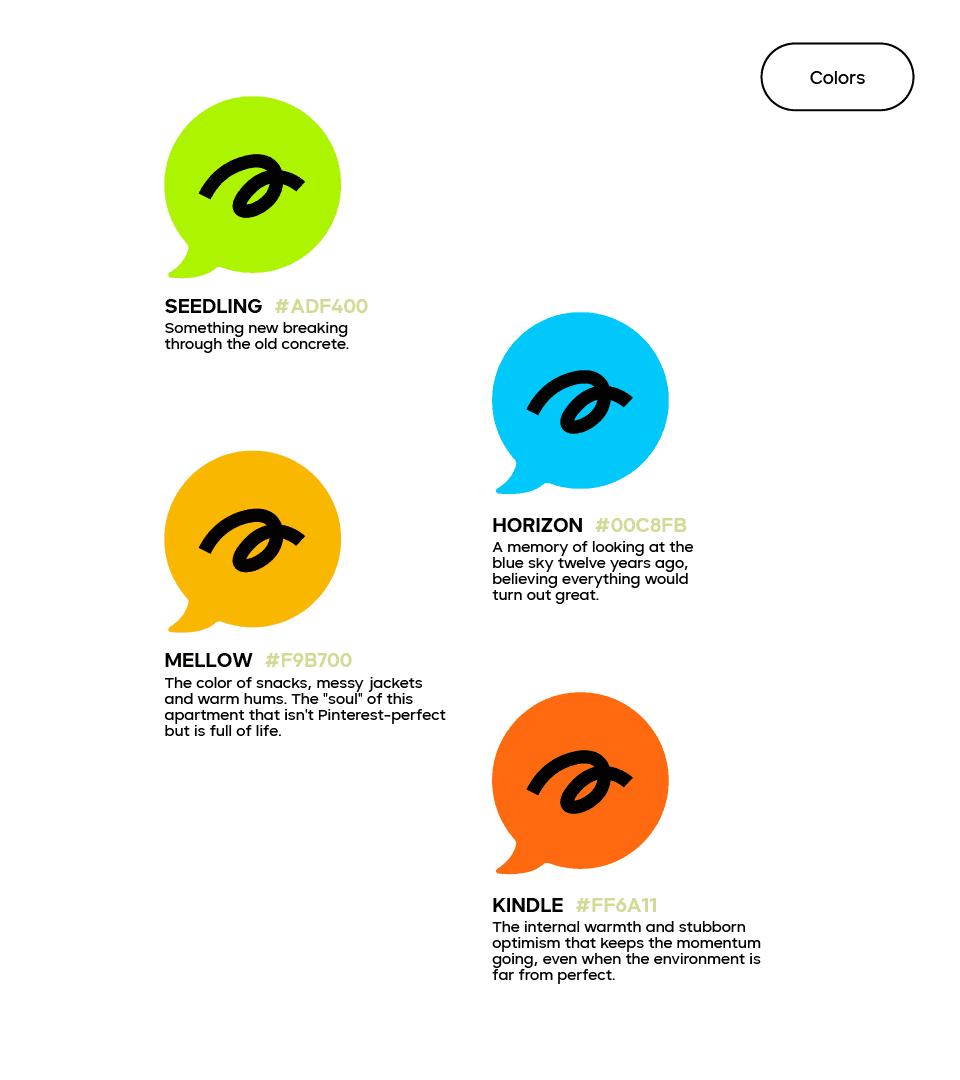
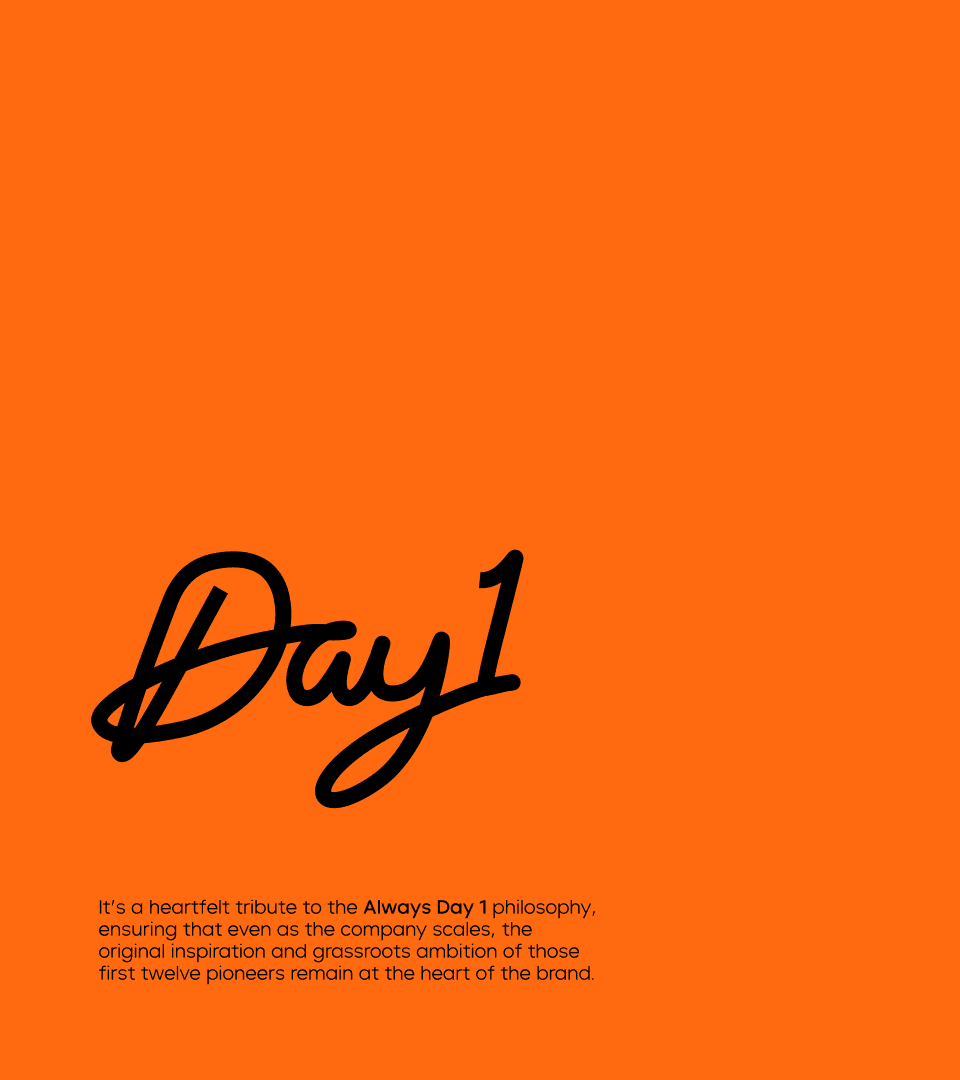
The branding was designed to feel less like a corporate manual and more like a personal journal. Since the project is a journey into the history, the visual language uses a scribble aesthetic to represent the raw, unpolished, and fluid nature of a startup’s early days.
The Scribble Aesthetic is a direct tribute to the whiteboards found throughout the original apartment, where ideas were captured the moment they sparked.
(03)
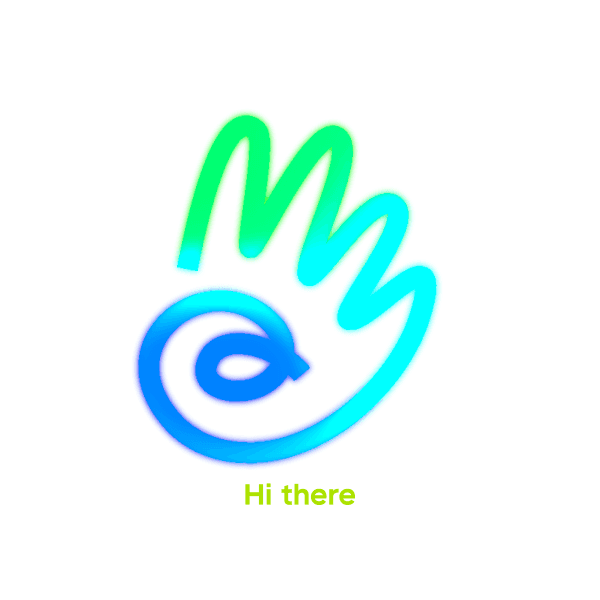
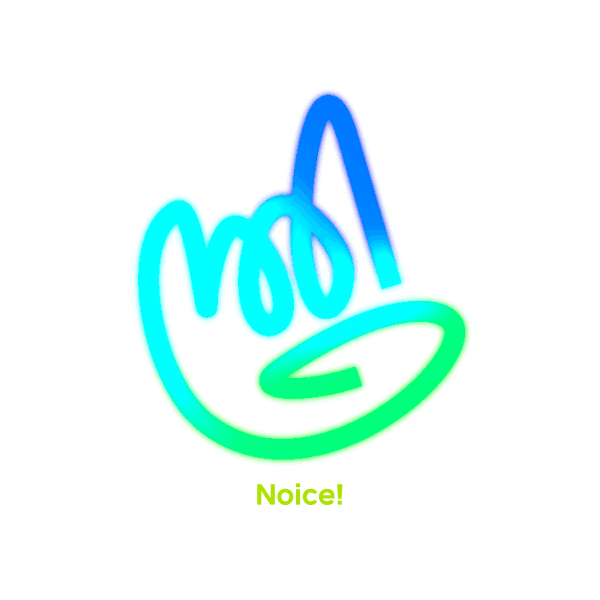
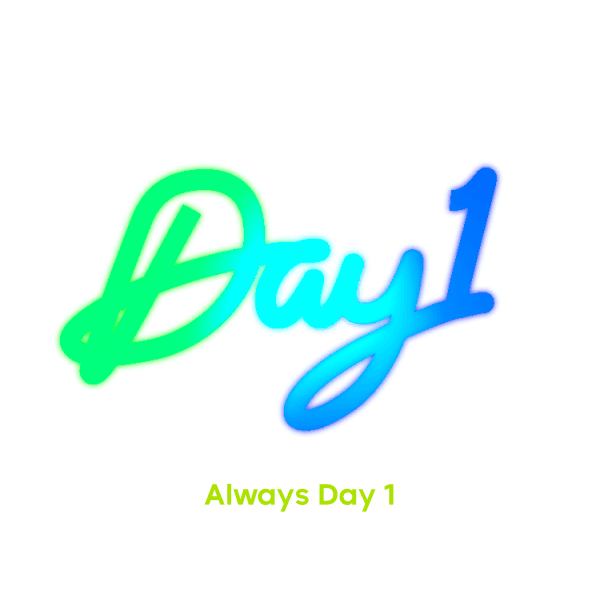
To capture the true essence of the startup hustle, the mugs, the half-eaten snacks, and the jackets slung over chairs are essential.
(04)
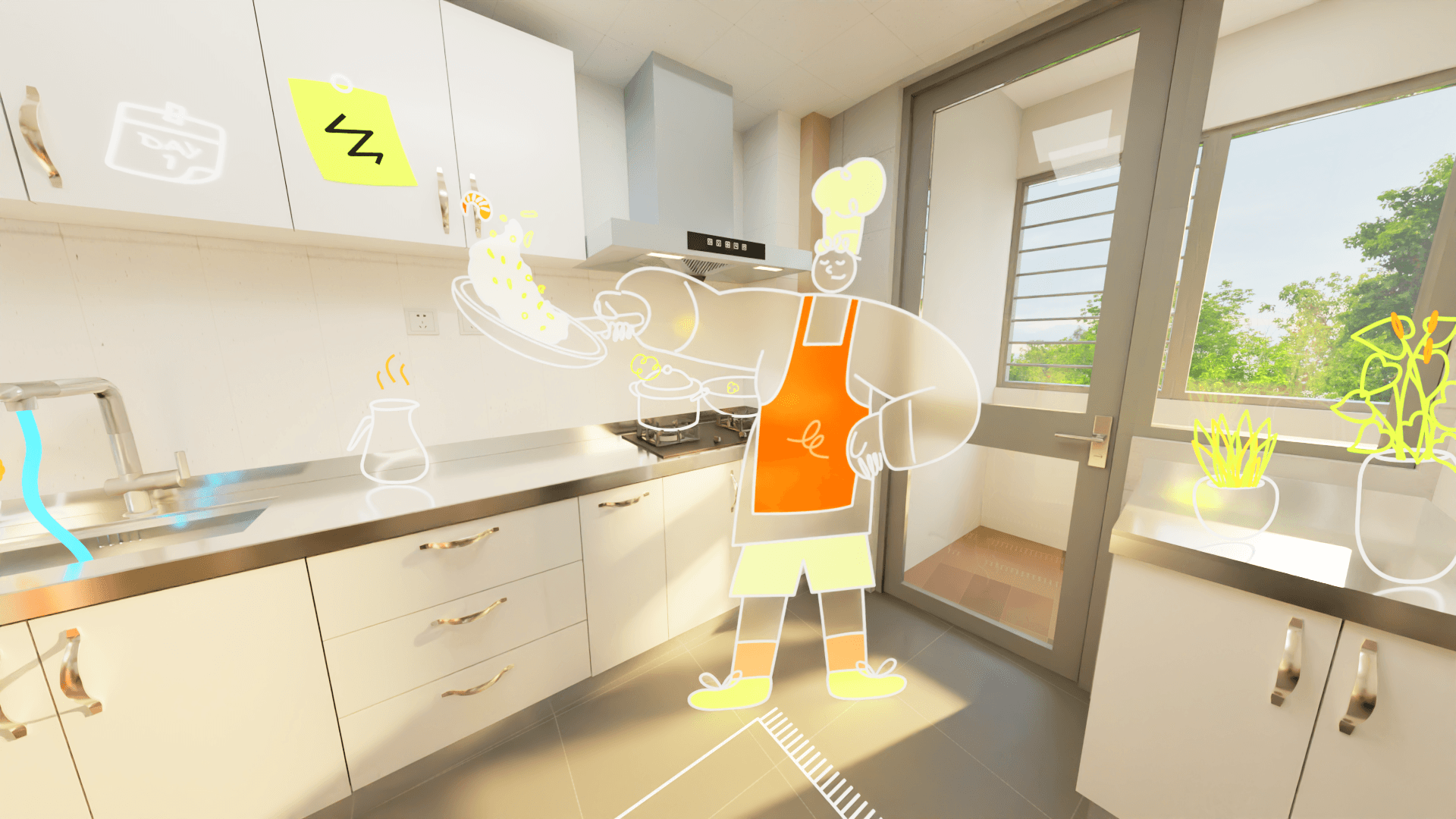
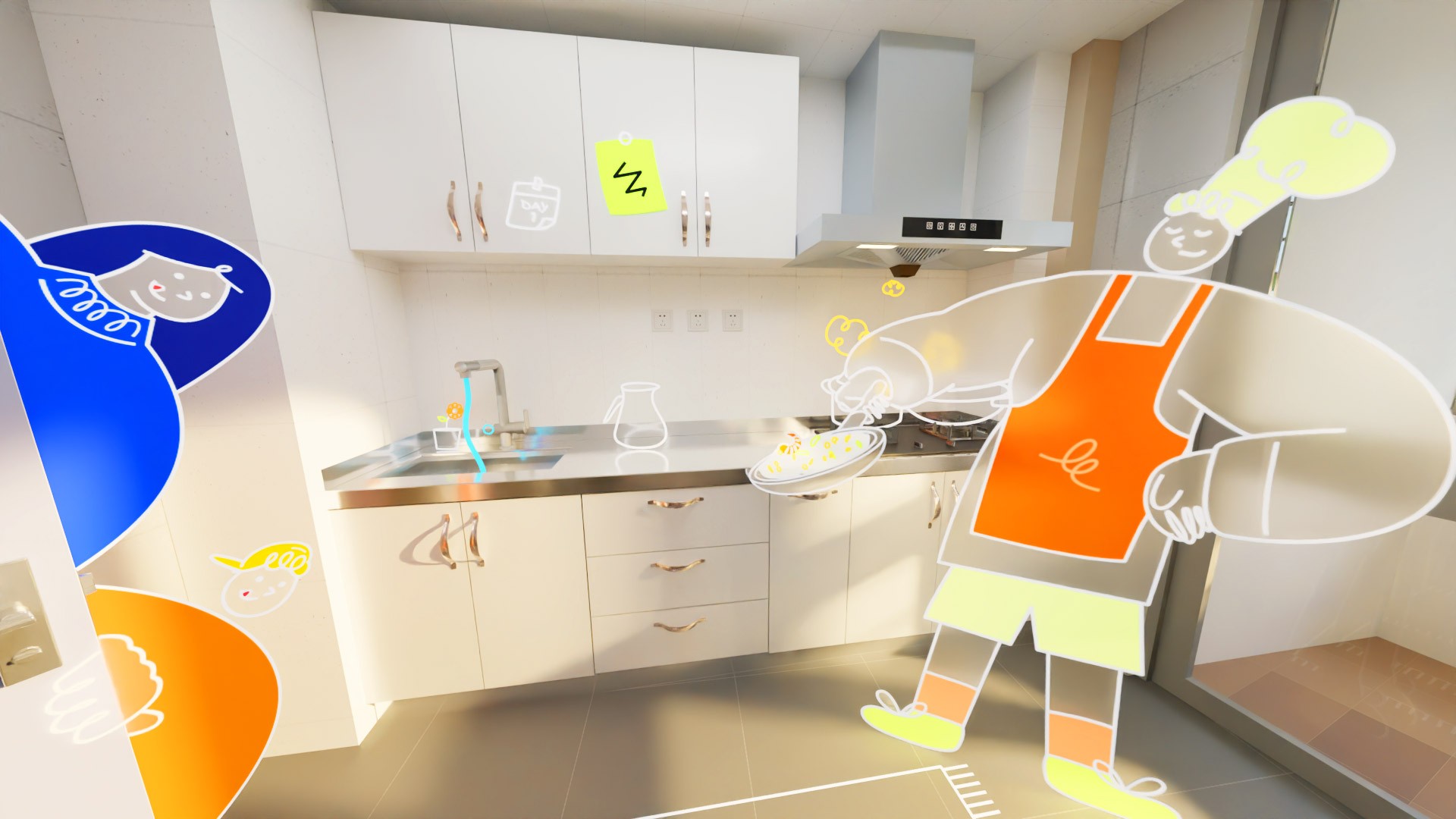
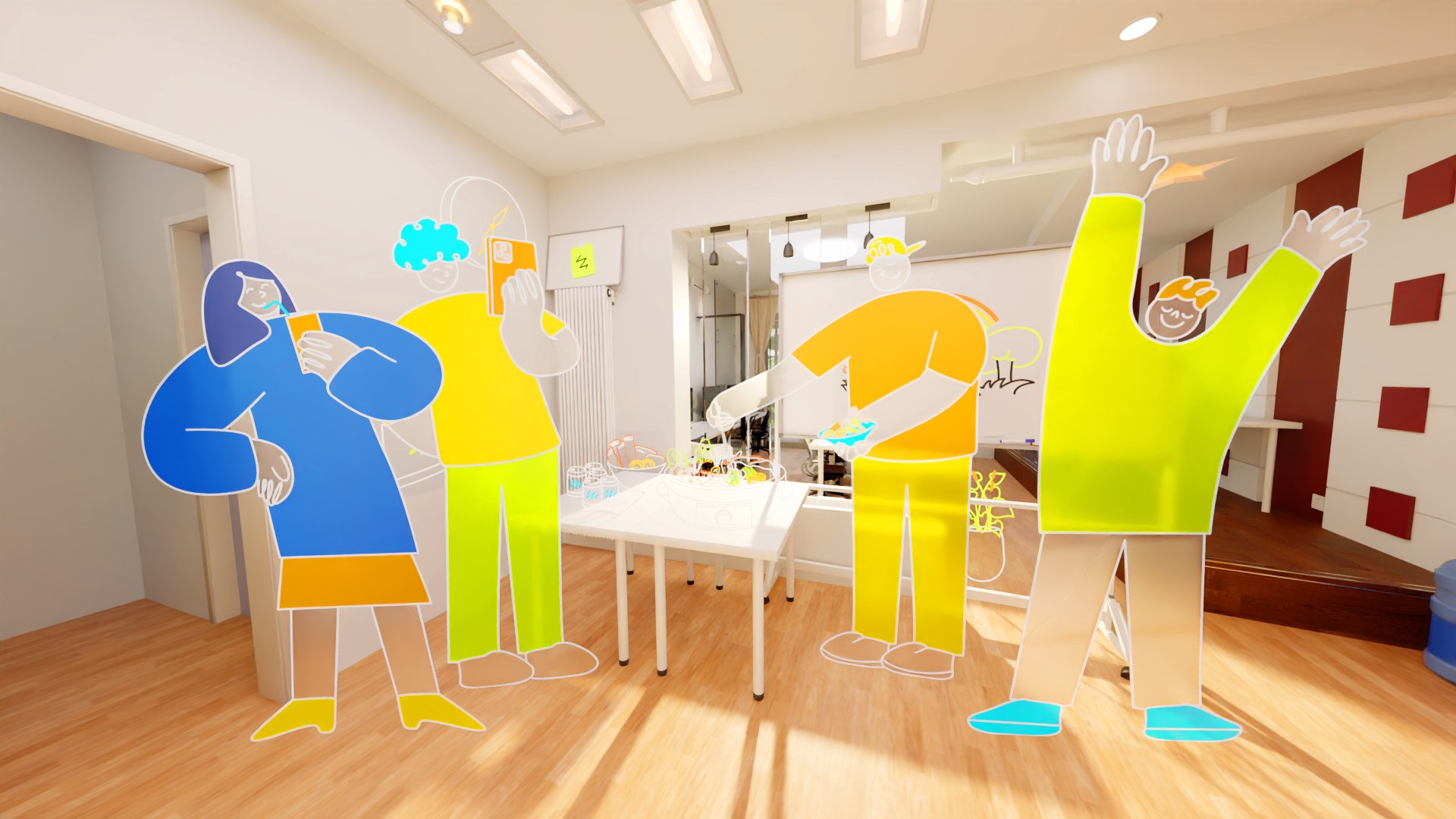
When ByteDance reacquired the apartment for this tribute, the space was an empty shell. The original personal belongings of the early team were long gone. To bridge the gap between the vacant 3D model and the vibrant history shown in old archival photos, I chose not to recreate these items as realistic 3D assets. Instead, I introduced Scribble Memories: scribble-style illustrations that only appear as you enter a room.
(05)
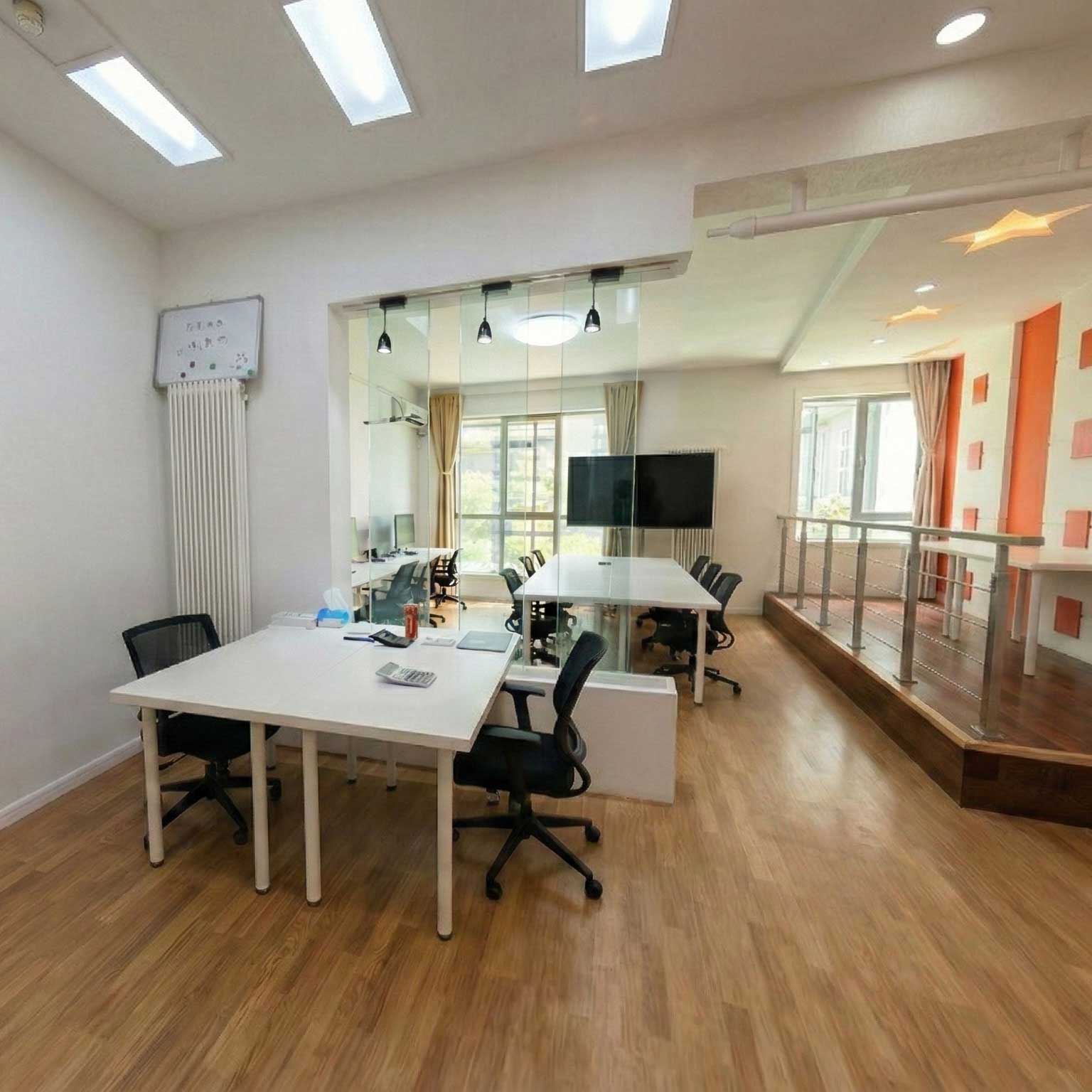
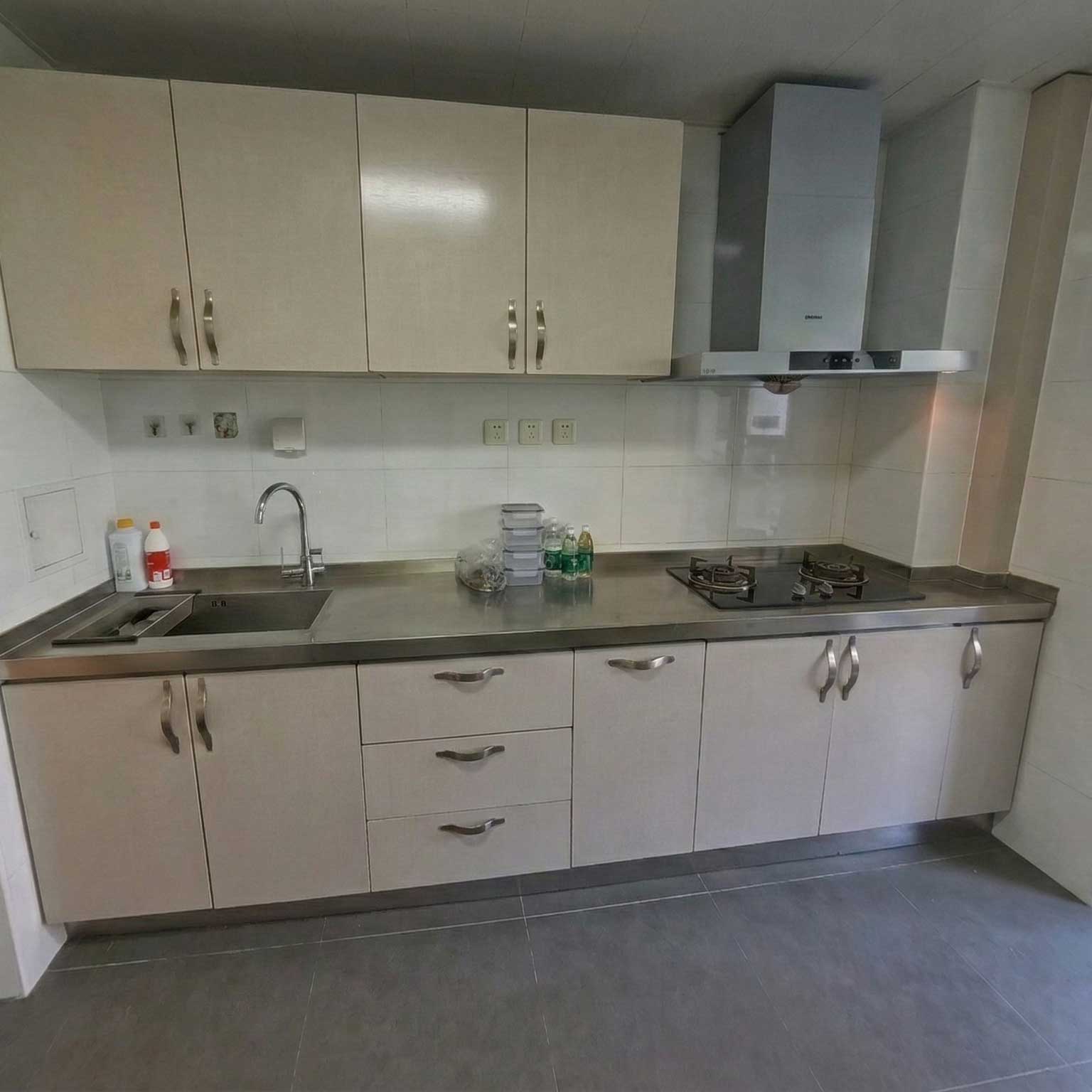
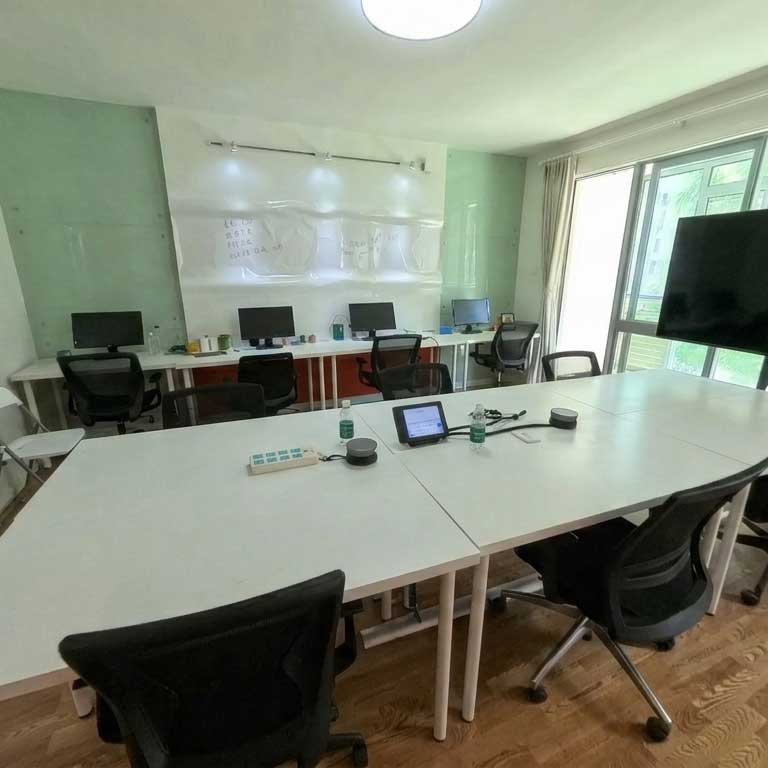
ByteDance’s first office was a normal residential apartment. The design was dated and definitely wouldn't trend on interior design blogs. My mission was to make people want to spend time there without "renovating" the history away. If I made it look like a Silicon Valley glass office, we’d lose the soul of the story.
(06)
In Blender and Unreal Engine, I used physically based lighting and ray-traced rendering to flood the environment with cinematic sunlight. Suddenly, the run-down house looked visually stunning, like the apartment on its best possible hair day. The light hitting the dusty corners was not just aesthetically pleasing, it symbolized the optimism of the original 12 employees who believed their work would change the world one day.
While the technology allows users to physically move from room to room, doing so is dangerous.
(08)
To keep everyone safe and unbruised, I designed the navigation to be stationary. Users can look around and lean in to take in the details of each room, but to move between spaces, they “teleport.” This keeps immersion high and physical risk at zero.
It was designed as an immersive narrative experience, using gameplay to bring real history to life.
(07)
Players can explore touchpoints, unlock stories, complete challenges, and collect digital badges. Completing the digital collection unlocked exclusive physical merchandise from ByteDance, bridging the gap between screen and reality.